
Alpine skiing: skis, bindings and maintenance
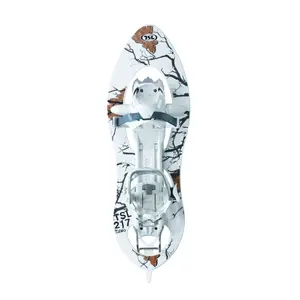
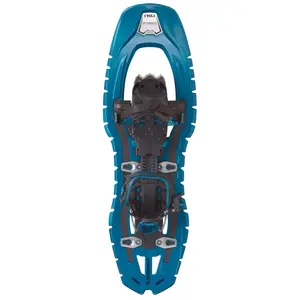
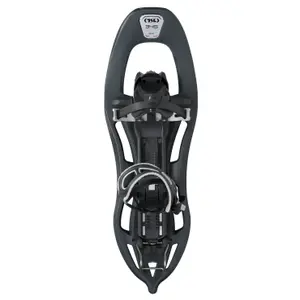
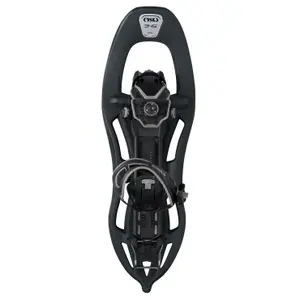
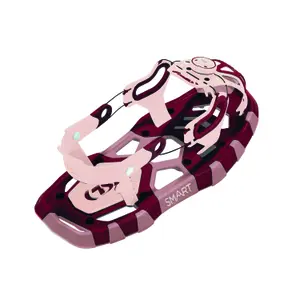
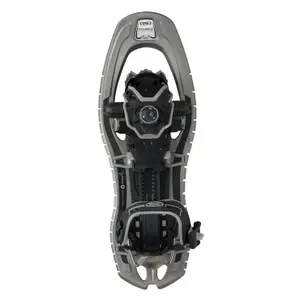
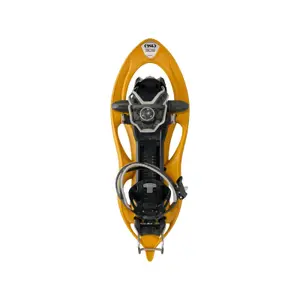
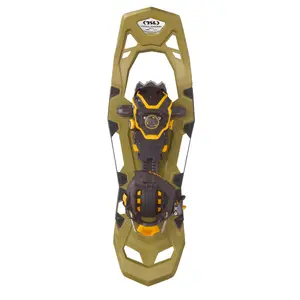

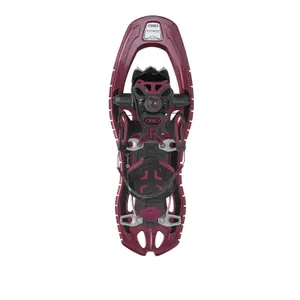
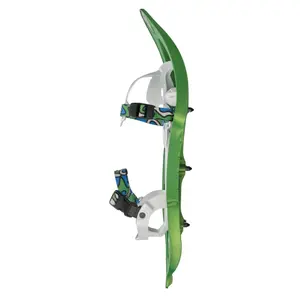
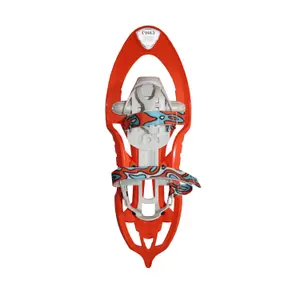
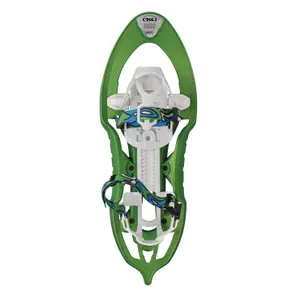
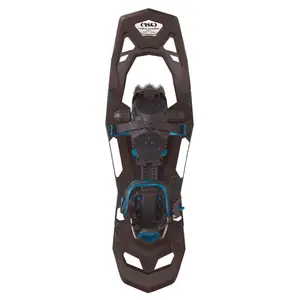
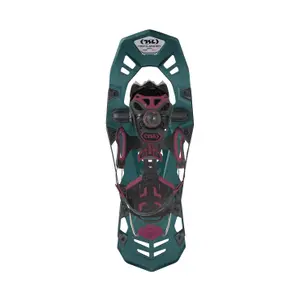
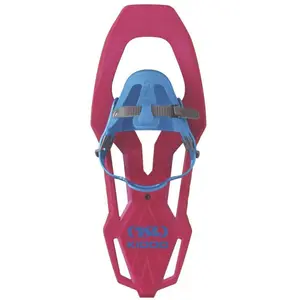
To ski on the slopes, you need a pair of skis, properly adjusted bindings and well-maintained bases. This page brings together skis, bindings, skins, wax and sharpening tools, as well as snowshoes for outings off-piste.
What alpine ski equipment includes
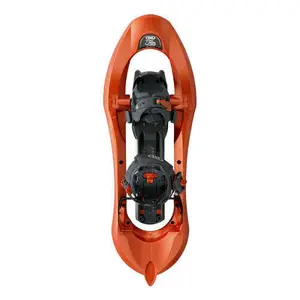
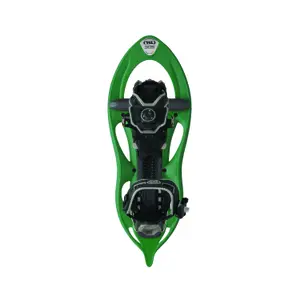
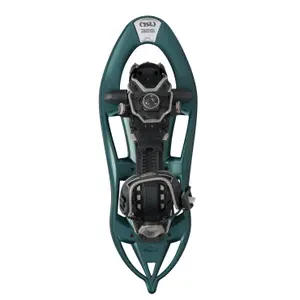
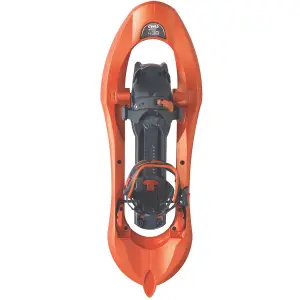
This page covers everything related to skiing, excluding clothing. You’ll find skis, sold with or without bindings, bindings on their own, climbing skins, and especially a wide choice of wax and tools for maintaining the bases and edges. Snowshoes are also available for walking in the mountains when skiing isn't on the agenda.
Waxing and sharpening your skis yourself
A well-waxed ski glides better and is easier to control. The principle is simple: clean the base with a wax remover, melt the wax with a waxing iron, scrape off the excess, then brush. Sharpening the edges is done using a file or a sharpener, with the ski secured in a vice. A maintenance kit includes the essentials to get started.
Poles, bindings, and covers to complete your setup
Once you’ve chosen your skis, you'll need to equip them. Ski bindings are adjusted according to your weight and skill level. Alpine ski poles or ski touring poles should be selected based on your height, and luggage is used for transport. To walk on snow, check out snowshoes.
Brands of skiing equipment
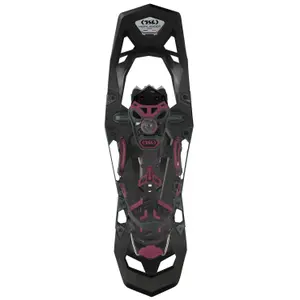
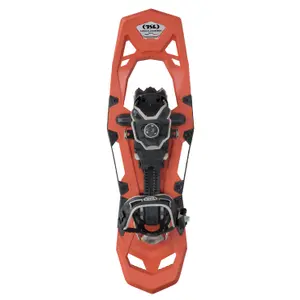
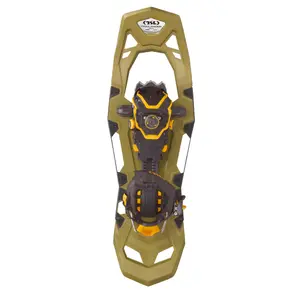
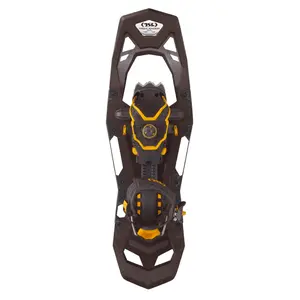
Vola offers wax and maintenance tools, including waxing irons. TSL manufactures snowshoes, like the Symbioz or the Highlander. Head provides skis, like the Kore, and bindings. Dynastar completes the ski offering, Look the binding range, and Swix the brushes and wax.
Equipping yourself for skiing without breaking the bank
Last year's equipment is often available at reduced prices on winter sports clearance. During discounts, winter sports sales allow you to complete your maintenance kit, and new arrivals showcase the latest stock.
Choosing your ski based on your activity
The choice of ski mainly depends on where you ski. For groomed pistes, a narrower ski turns quickly and grips well on hard snow. For alternating between piste and fresh snow, a versatile ski that’s a bit wider floats better. For ski touring, you're looking for lightweight options for climbing, with appropriate bindings and skins. The length is chosen based on your height, weight, and skill level: shorter for easier turning, longer for stability at high speeds. Ask for advice if you're unsure between two lengths.
Frequently asked questions
How often should you wax your skis?
As soon as the base whitens or when the ski grips on the snow. A regular skier will wax several times per season.
Can you mount a ski binding yourself?
The release adjustment is a safety issue: have the installation and adjustment done by a workshop if you’re not experienced.
What are climbing skins for?
Attached to the skis, they grip the snow when climbing and allow you to ascend a slope while ski touring.
Which snowshoes should you choose to start?
A versatile model, easy to put on, with spikes underfoot. Compare them on snowshoes.
Where can you find cheap wax and ski tools?
Maintenance kits and discounted wax are available in winter sports clearance.